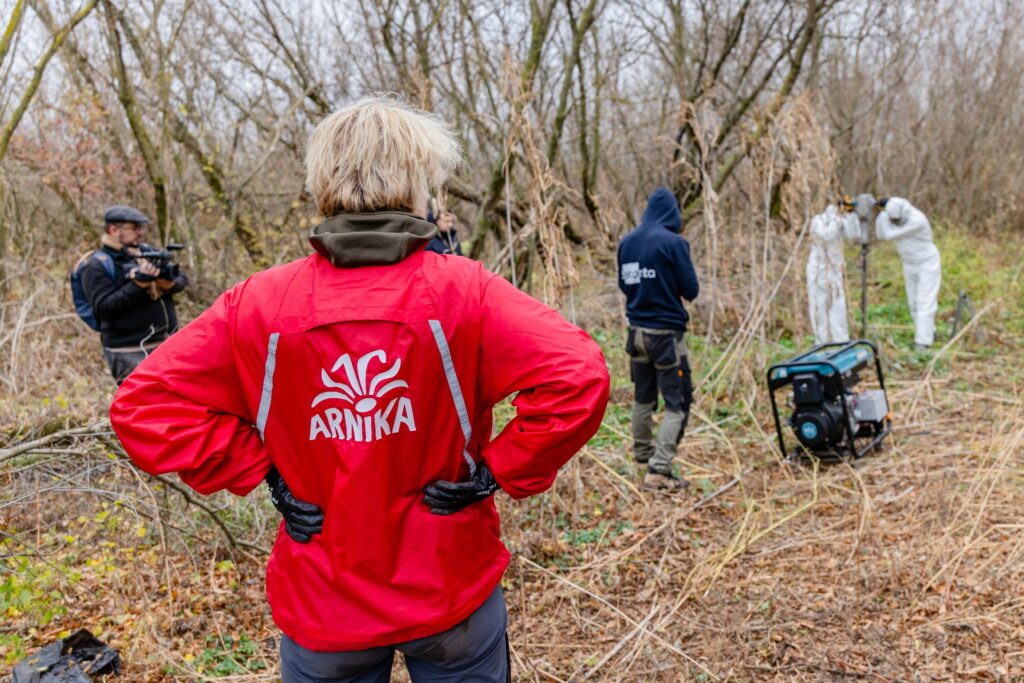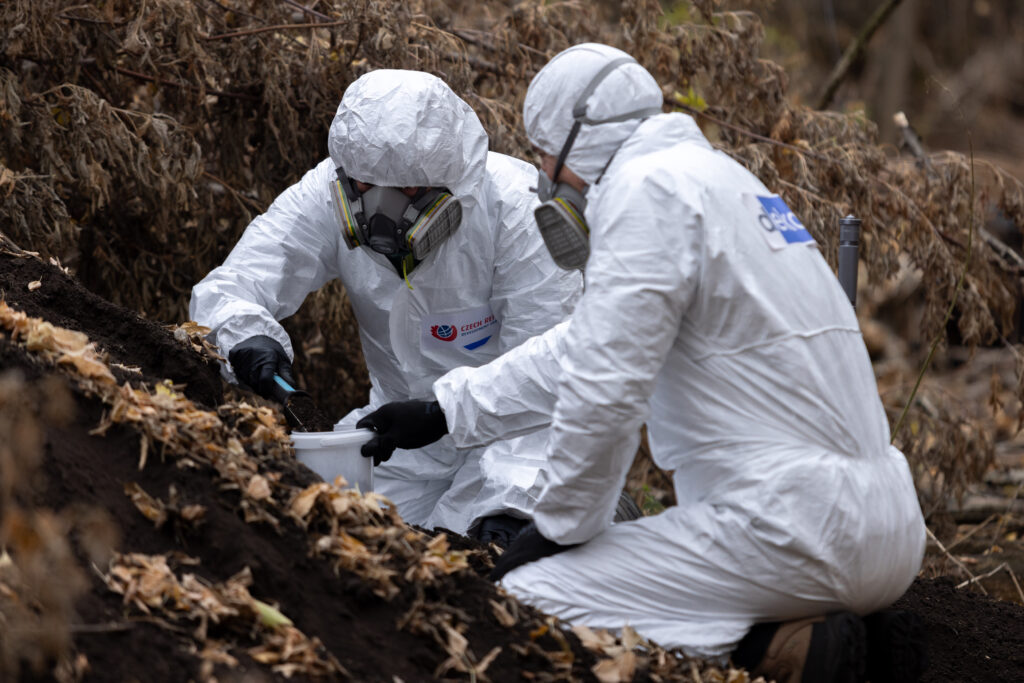

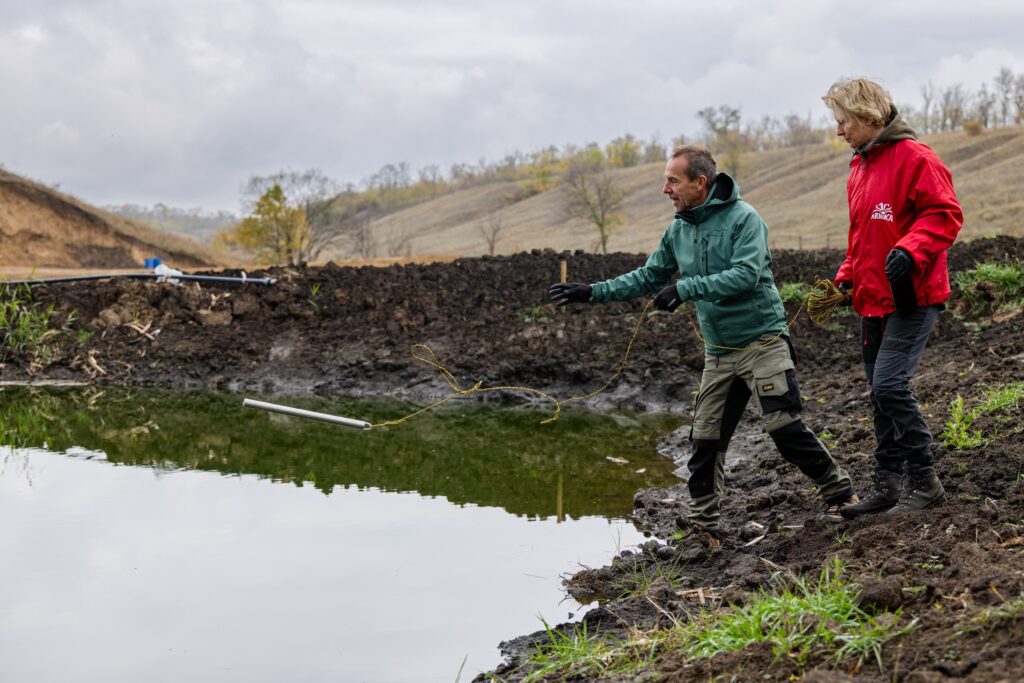
A new phase of an international project aimed at identifying and addressing the environmental consequences of industrial pollution and war has started in the Dnipropetrovsk region. The Czech non-governmental organization Arnika, with financial support from the Czech Development Agency (CzDA), together with Ukrainian partners, is expanding its work on mapping environmental burdens in a region that has been affected by heavy industry for decades and, since 2022, by the full-scale war.
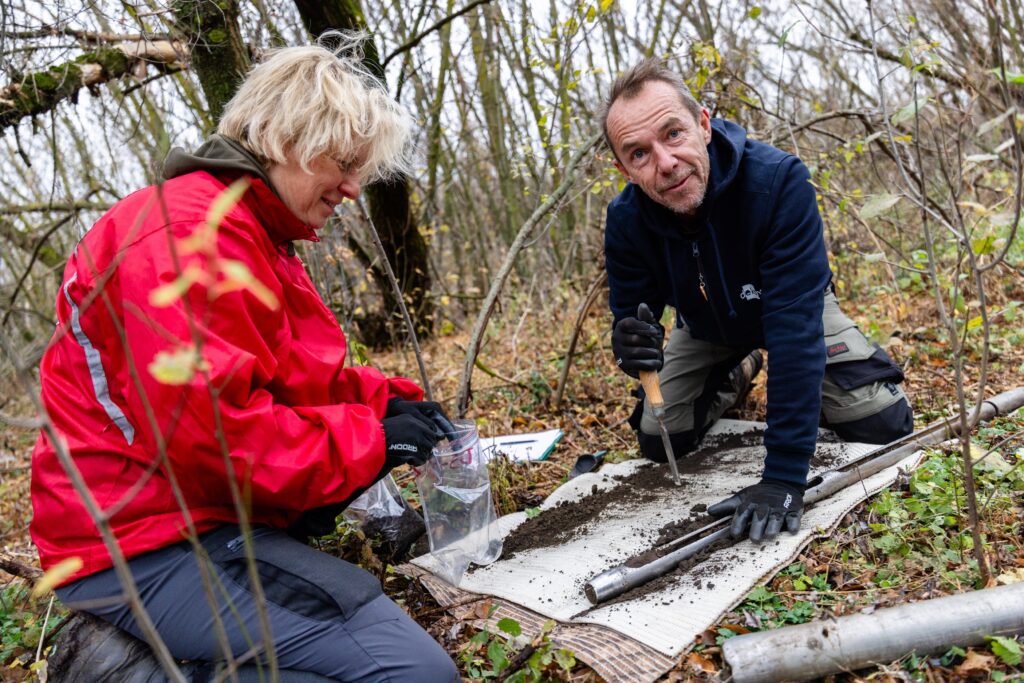
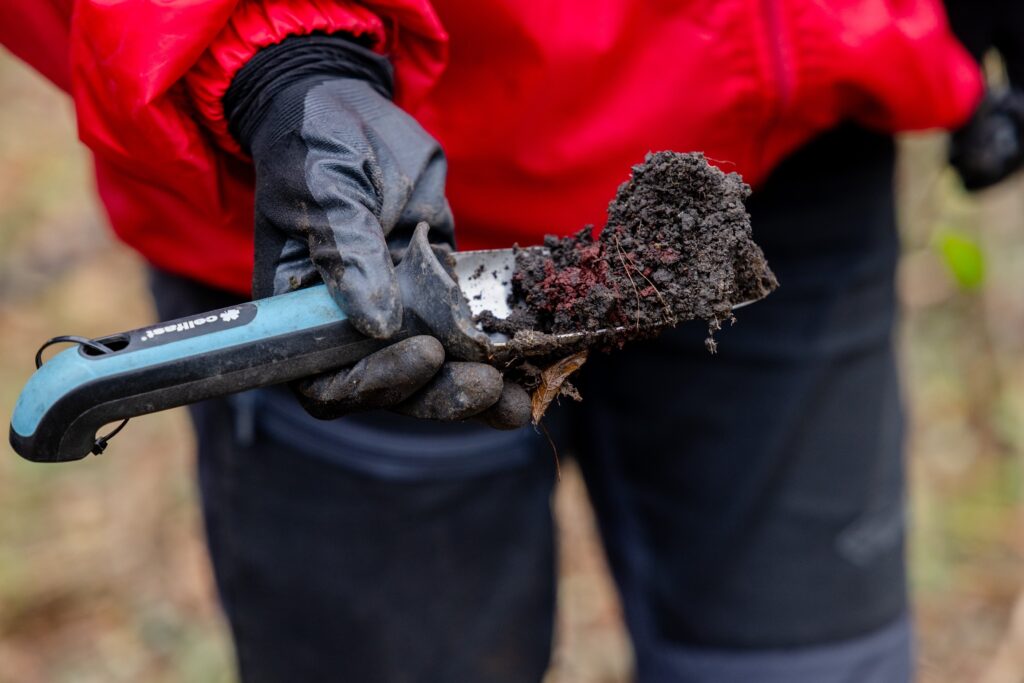
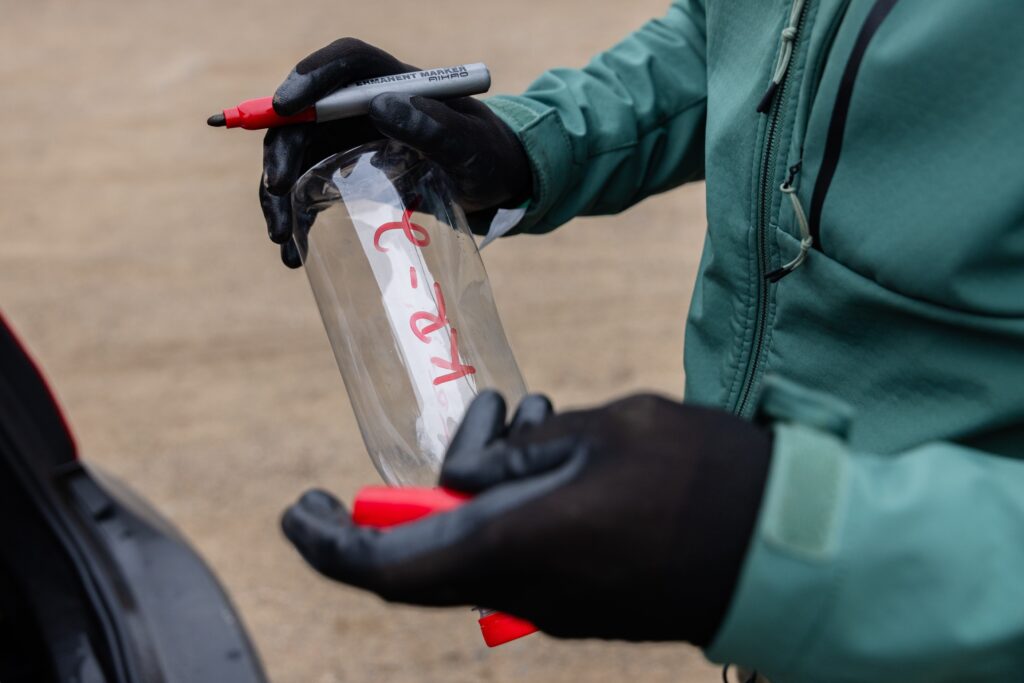
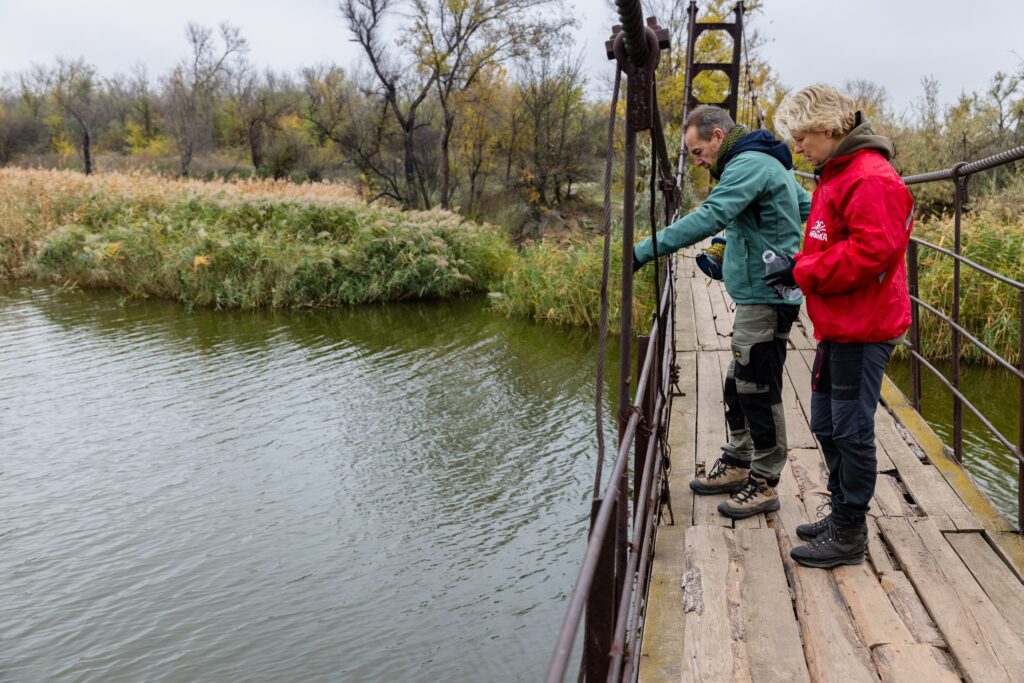
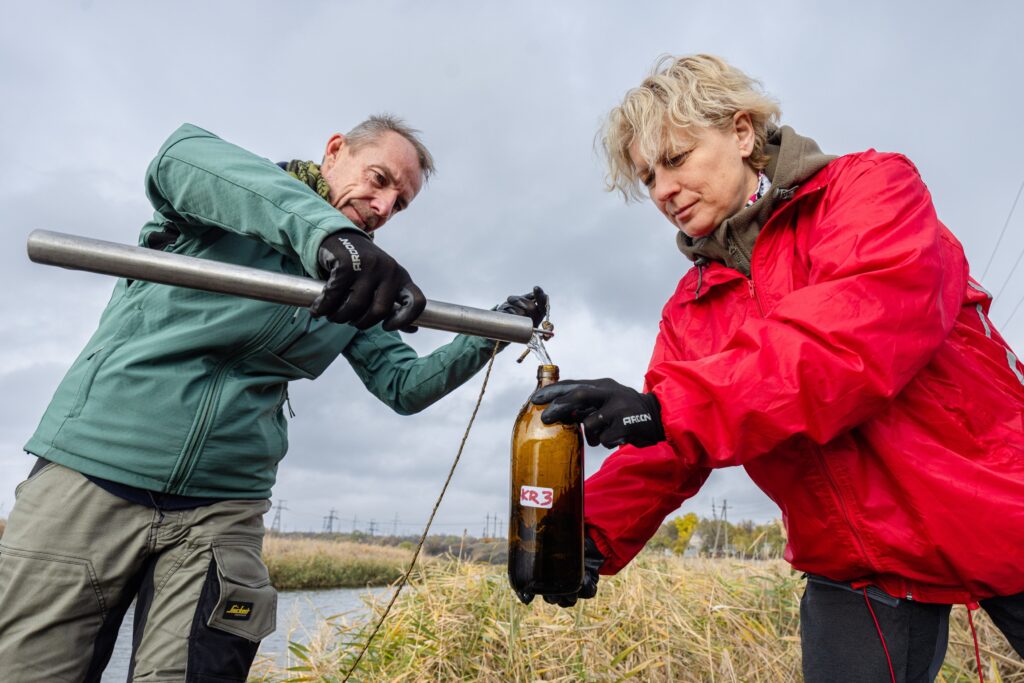
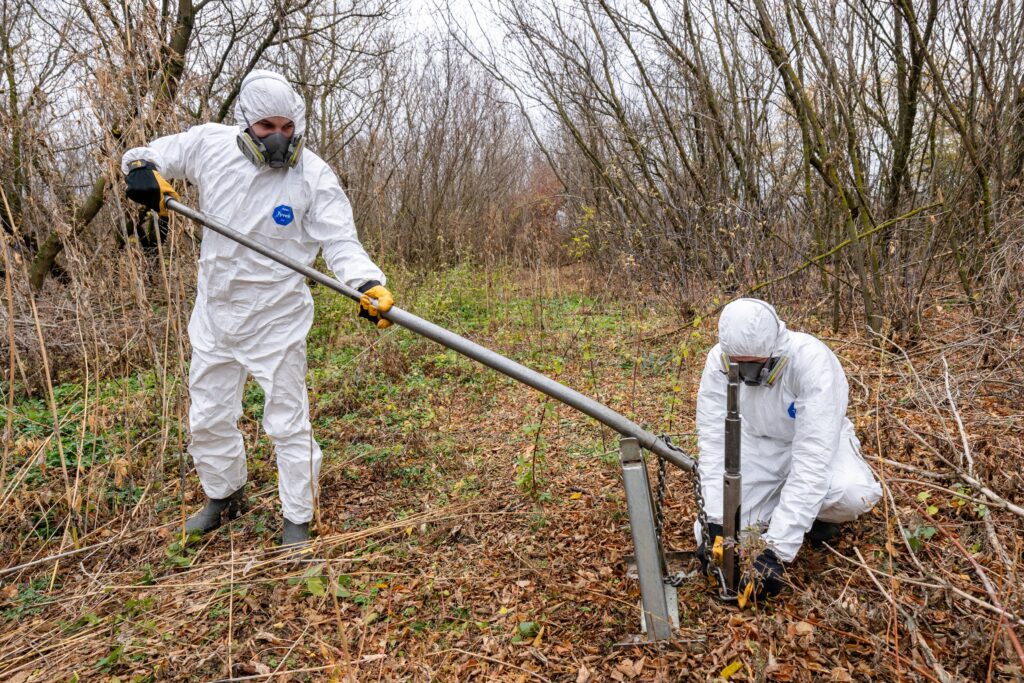
Within the project, international experts will focus on an additional forty high-risk sites. The research results are expected to help local communities better understand potential health risks and support public authorities in making informed decisions regarding post-war recovery of the affected territories.
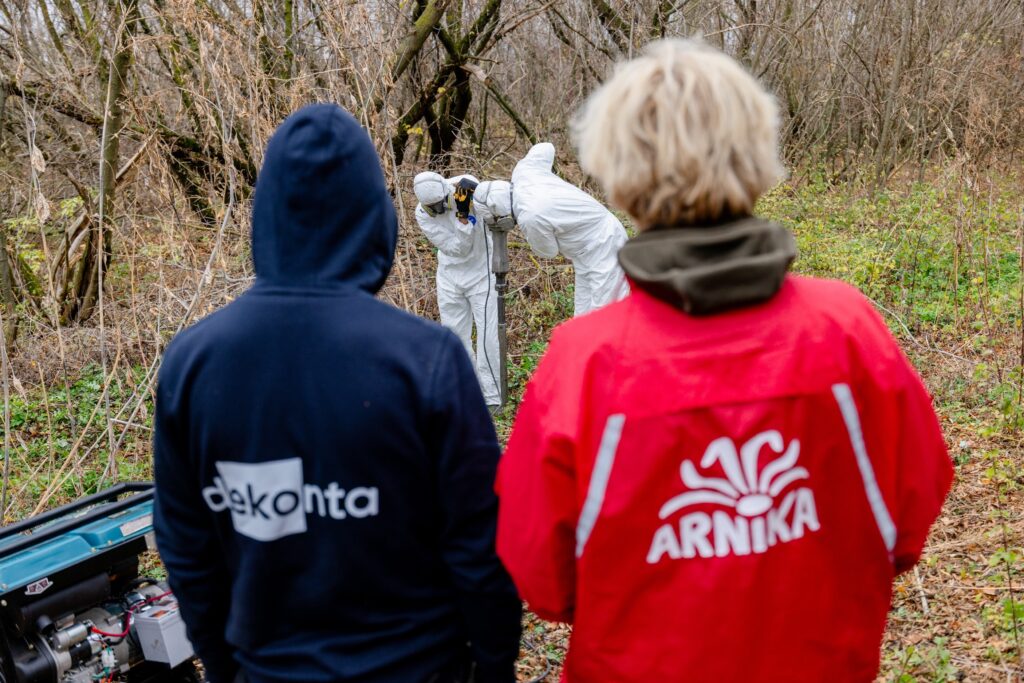
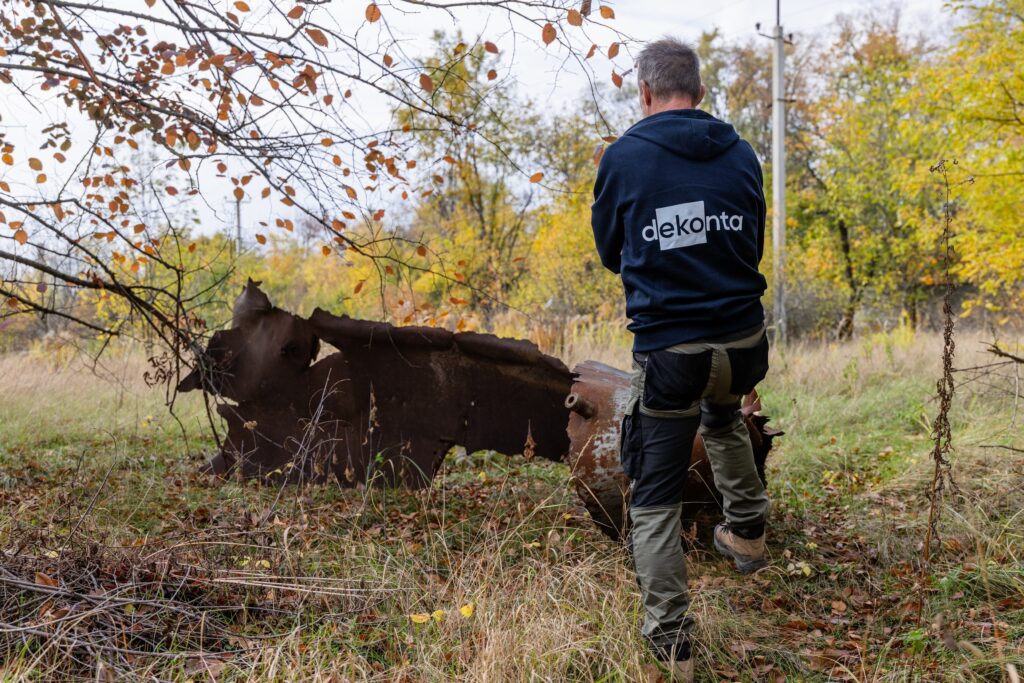
The Dnipropetrovsk region is one of the most industrialized regions of Ukraine and, at the same time, one of those significantly affected by the war. Destruction of industrial facilities, infrastructure accidents, and active hostilities have severely exacerbated existing environmental problems. These challenges are now being addressed by Arnika in partnership with the Czech company DEKONTA and Ukrainian organizations, with the support of the Dnipropetrovsk Regional Council, the Regional Military Administration, and the State Emergency Service of Ukraine.
The Czech Development Agency’s Coordinator in Ukraine, Jan Pejřil, emphasizes that the current phase of the project is a logical continuation of the work launched last year (more information is available HERE and HERE):
“I am pleased that we have been able to build on the short but successful intervention of 2024. At that time, the first version of an environmental burden database for the Dnipropetrovsk region was created, priority sites were identified, and initial field research was conducted. Now we aim to go further by supporting local authorities, non-governmental organizations, and the scientific community in systematic work on the already identified problems.”
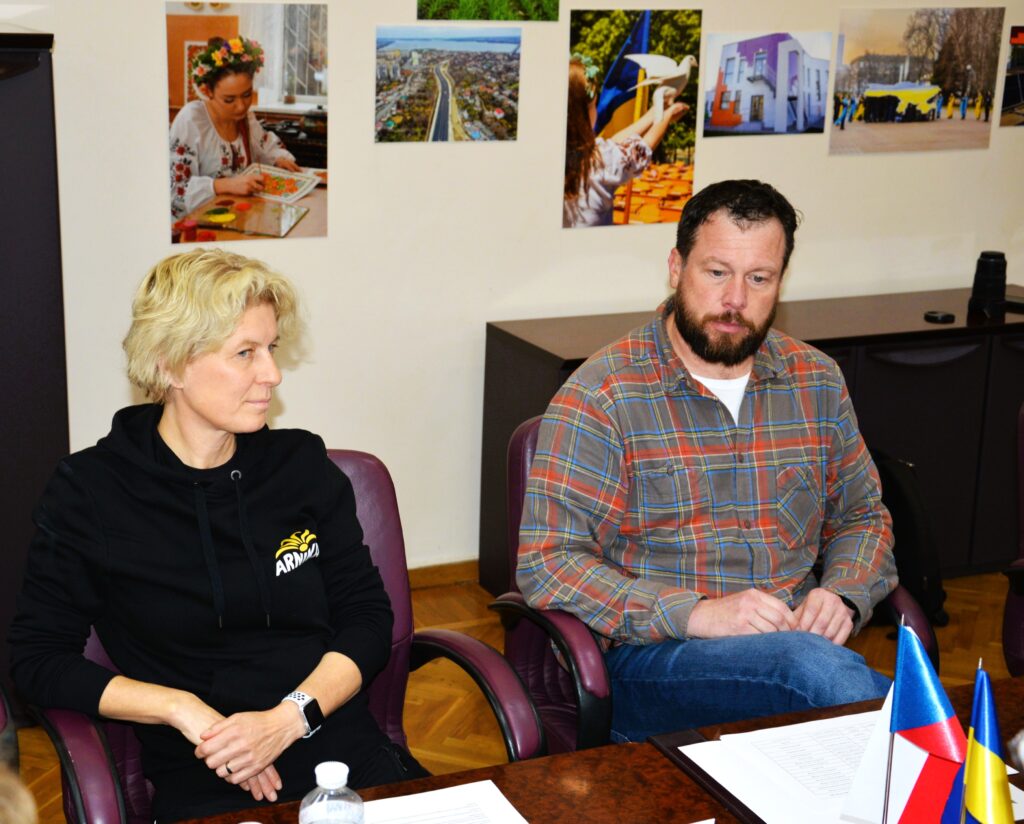
Marcela Černochová and Jan Pejřil
According to him, the project includes the development of methodologies for database management, risk assessment, sampling and laboratory analysis, as well as the integration of environmental burden issues into regional development strategies. A separate component will focus on preparing at least two technical remediation projects for further restoration activities.
Marcela Černochová, Arnika’s Coordinator in Ukraine, stresses that people’s safety is at the heart of the project:
“Our primary goal is to protect the health of residents living in areas affected by toxic contamination. At the same time, while preparing for post-war reconstruction, it is crucial not to postpone environmental issues and to adhere to sustainability principles. This is exactly what we aim to achieve through our work.”
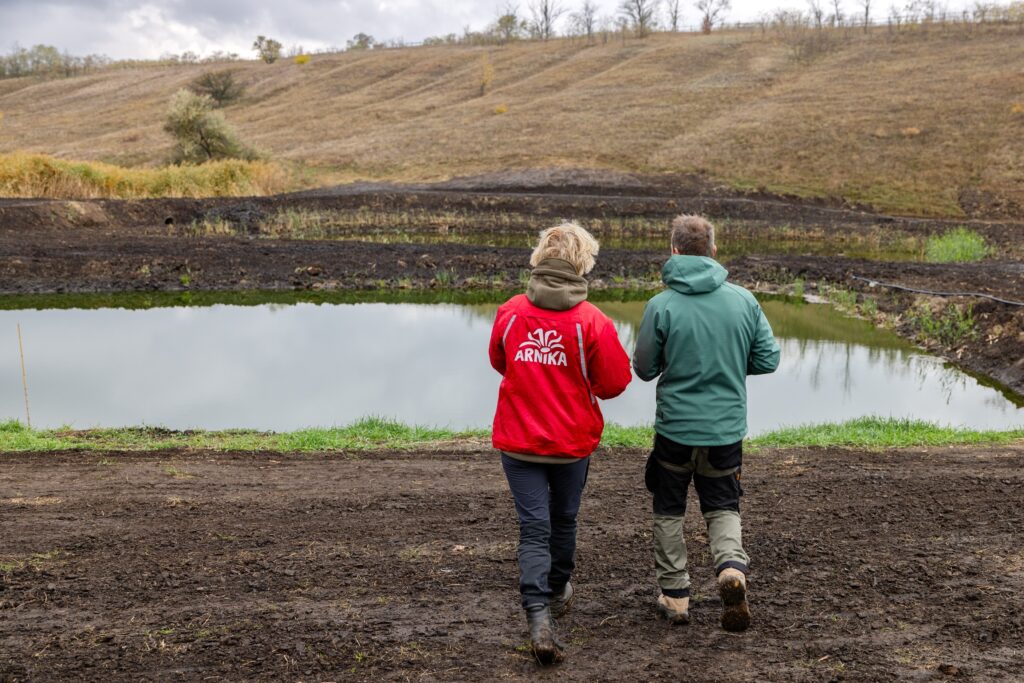
During this new phase, the partners will expand the contaminated sites database and collect samples at selected locations. Technical documentation will also be prepared for the remediation of two of the most affected areas. Czech and Ukrainian experts will contribute to proposals for updating the regional environmental strategy to provide authorities and civil society with practical tools to respond to environmental risks.
The Director of the Ukrainian NGO Security and Recovery Centre, Oleksii Angurets, notes that the cooperation has already produced tangible results:
“In 2024, together with Arnika, we created an initial database of contaminated sites, which included forty locations, among them an illegal pesticide dump. In 2025–2026, we plan to expand and update this database. This will allow us to better assess risks for people living nearby and prepare solutions for further remediation.”
e Dnipropetrovsk region remains one of the priority areas of Czech development assistance. The Czech Republic has extensive experience in addressing environmental contamination, including pollution related to heavy industry and the former presence of Soviet troops. This expertise may prove particularly valuable in the region’s future post-war reconstruction.
Jan Pejřil notes that, in the longer term, the partners would like to move from research to practical action:
“If the security situation allows, we aim to make a direct contribution to the remediation of identified environmental burdens. This will require the involvement of additional donors. Our goal is to complete the full cycle — from identifying problems and assessing risks to the actual cleanup of contaminated sites and their safe reuse.”
According to the project partners, such a comprehensive approach to addressing environmental burdens in the context of an ongoing war is currently unique in Ukraine, at least at the regional level. It also lays the groundwork for further cooperation between Ukrainian and Czech experts and companies, which is particularly important considering Ukraine’s future integration into the European Union.
The project is being implemented in 2025–2026 with financial support from the Czech Development Agency under the Czech Republic’s program “Foreign Development Cooperation.”