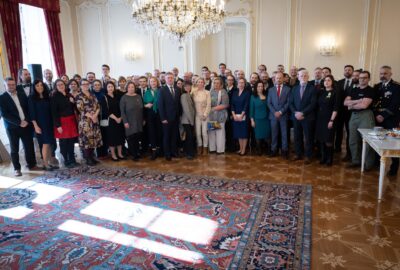

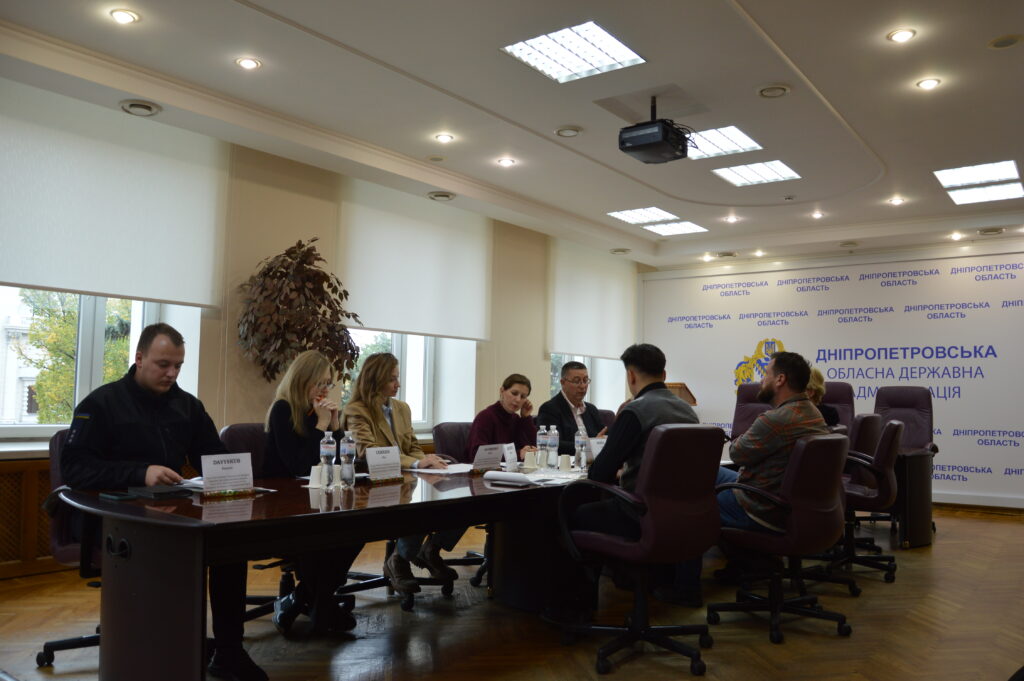
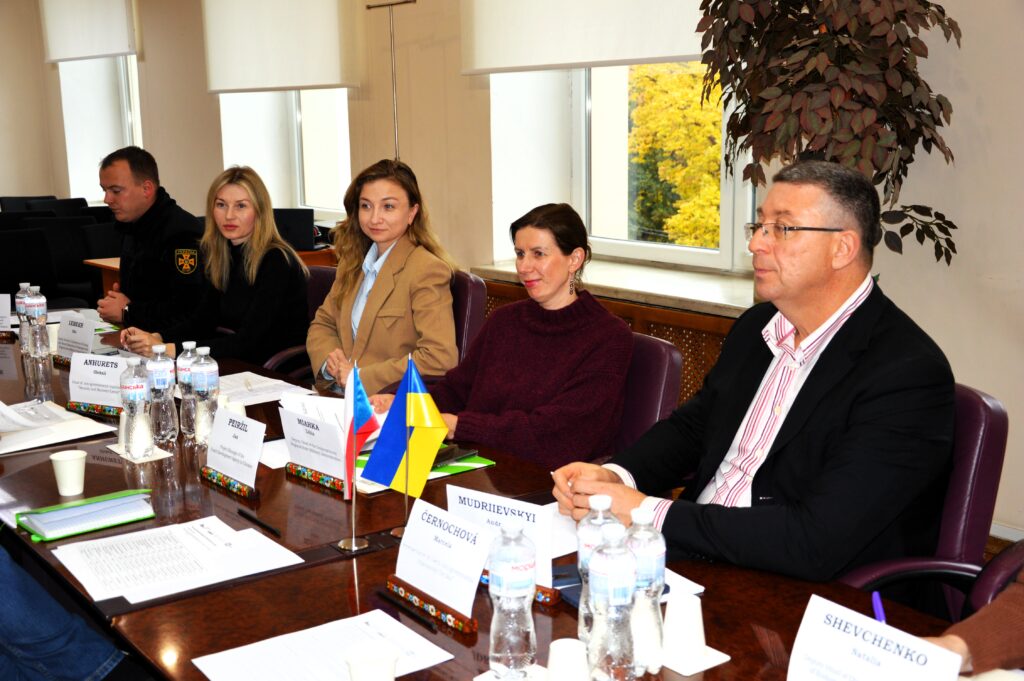
The Czech Republic is strengthening its support for environmental safety in Ukraine. In Dnipro, representatives of the Czech environmental NGO Arnika, the Czech Development Agency (CzechAid), and the Department of Ecology and Natural Resources of the Dnipropetrovsk Regional Military Administration (RMA) met to discuss the launch of the second phase of the project on the decontamination of territories: “Identification and Prioritization of Environmental Pressure on the Environment in Dnipropetrovsk Region.”
During the meeting, the results of the first phase of the project on monitoring contaminated sites in Ukraine were reviewed, and two priority locations were identified for detailed follow-up studies — including sampling, drilling, and preparation of technical documentation for remediation. Ukrainian and Czech partners involved in the work include Arnika, D-Conta, and CEMC.
Data-Driven Assistance
Last year, with the support of Czech experts, 40 sites in local communities were surveyed. Soil and water samples collected from these locations underwent thorough analysis in leading European laboratories. Based on the results, the most heavily contaminated areas were identified.
Jan Pejrzil, representative of the Czech Development Agency (CzechAid), emphasized that the project is moving into the practical stage of preparation for cleanup:
“We will continue what has been started. Now we are taking the next step. We are developing measures to clean these areas. The project is conducted in accordance with international requirements because it is important for donors to participate in financing such initiatives.”
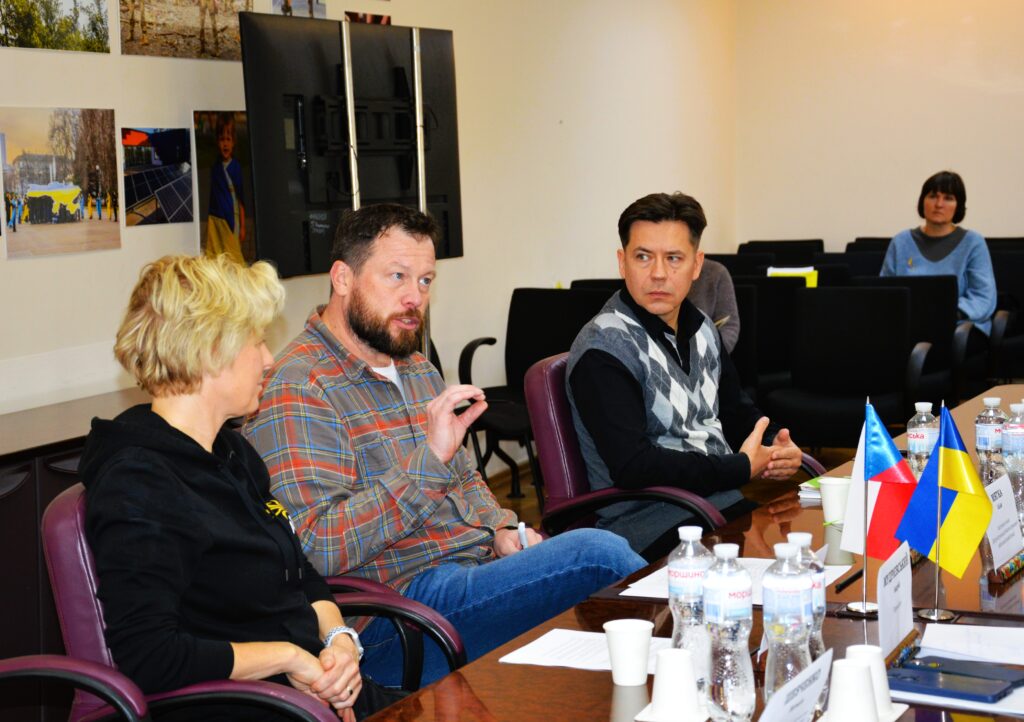
The second phase of the project will involve surveying another 40 potentially contaminated sites, which will be identified in coordination with the RMA in the near future. It also includes training local specialists to use the database created during the first phase, while its maintenance and further monitoring will be carried out jointly with the State Emergency Service (SES) of Ukraine in Dnipropetrovsk region.
Preserving Expertise and Capacity
Oleksiy Anhurets, Director of the NGO “Center for Safety and Recovery”, noted that the preservation of the Environmental Monitoring Center in the region was made possible thanks to the support of the Czech side:
“This gives us a perspective for further work. The second phase will allow us to prepare for the cleanup and decontamination of territories. Systematizing data on pollution and understanding key risks will form the basis for regional environmental improvement programs for many years.”
He also stressed the importance of continuous communication and coordination with international partners:
“We need to hold regular working meetings, evaluate new locations, consider weather conditions, and assess site accessibility. Partners assist us in all issues related to environmental safety, and this will become the next step in developing a systemic approach in Ukraine.”
Action Plan: Another 40 Sites and Knowledge Transfer
The second phase involves deeper engagement of Czech experts. The plan includes surveying the next 40 sites. Arnika, D-Conta, and CEMC have already identified two priority locations where drilling and preparation of technical documentation for subsequent reclamation will begin.
In addition to technical assistance, the Czech side is investing in developing local human capital. Czech specialists will train regional personnel to work with modern databases formed as a result of the monitoring.
Synergy for Future Cooperation
Regional representatives emphasized that monitoring environmental risks and systematic cooperation with international partners is especially important during wartime when environmental safety is directly linked to national resilience.
Liliya Myahka, Deputy Head of the RMA, expressed gratitude to the Czech side for their systematic approach:
“The RMA is in constant contact with international partners. They assist in addressing the consequences of military aggression and supporting people. Some are particularly interested in implementing environmental initiatives, which is extremely important. Among them are the Czech Development Agency and the NGO Arnika. We are very grateful for the initiatives they have implemented in the region.”
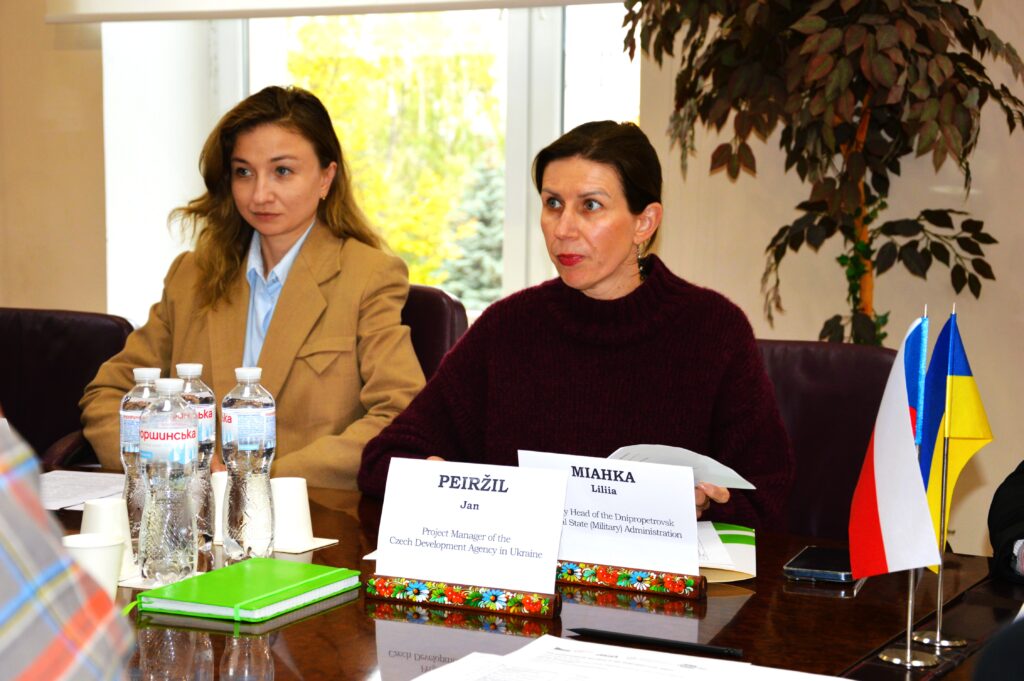
From the Czech side, Marcela Cernohova, coordinator of the “Clean Air for Ukraine” program and representative of Arnika, noted that the Czech monitoring model will serve as a basis for long-term environmental rehabilitation programs:
“By understanding and systematizing data on pollution, we will be able to work with this material for many years — it will become the foundation for regional programs to improve environmental conditions. It is important that all work is carried out in accordance with European legislation requirements.”
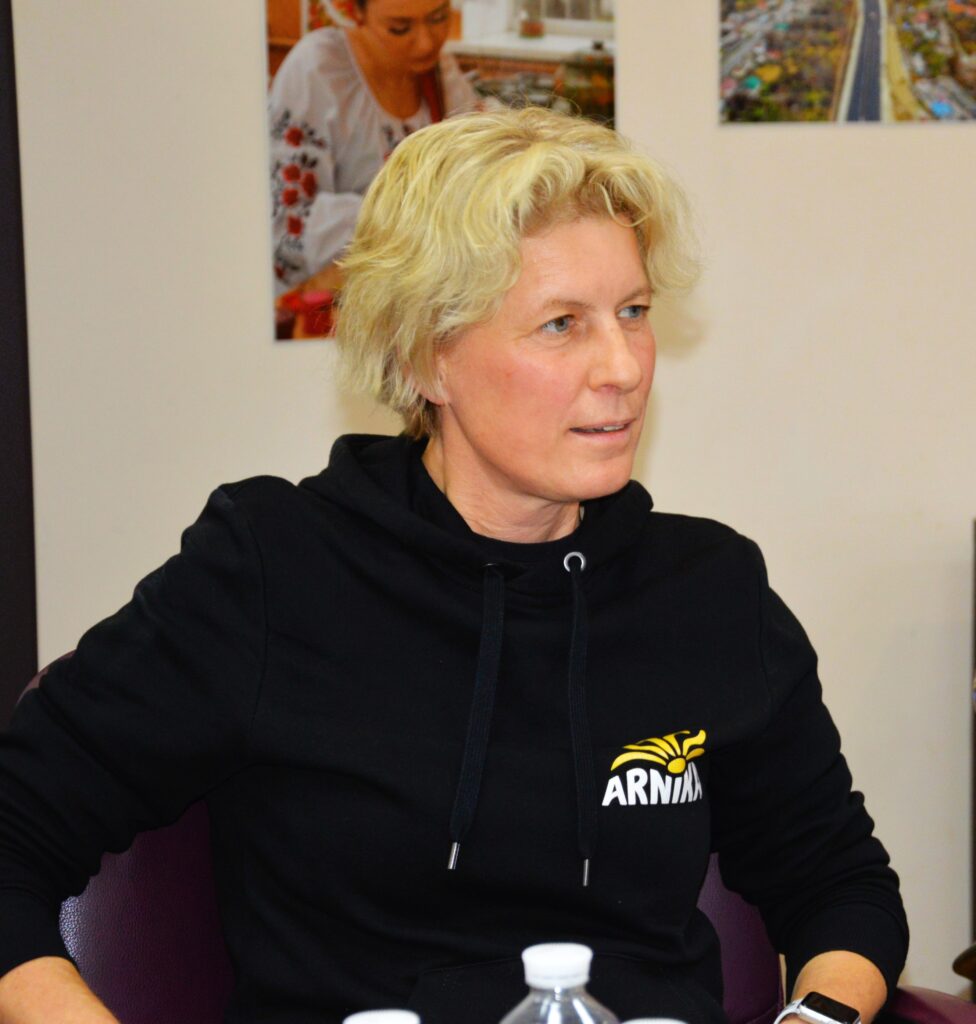
The project is implemented in close cooperation with the Dnipropetrovsk Regional Council, the State Emergency Service in Dnipropetrovsk region, and the NGO Center for Safety and Recovery. This coordination allows Czech partners to effectively implement European environmental standards directly in a frontline region, preparing the foundation for its safe recovery.